"Undervalued" is the most abused word in Pokémon investing. Most lists slap it on whatever pumped 200% last year, which by definition is no longer undervalued. The cards on this list share something else: they have not had their moment yet. The fundamentals are there, the supply is constrained, and the chart is not at all-time highs.
That last part matters. Buying a card after a 300% run because it looks "hot" is not investing, it is chasing. The picks below are cards I would buy at current prices and hold without checking the chart for two years.
None of this is financial advice. Cards are illiquid, cycle-prone, and depend on a small base of collectors. The picks below are best-effort, not predictions.
Quick Jump
- 1. Giratina V Alt Art (Lost Origin)
- 2. Aerodactyl V Alt Art (Lost Origin)
- 3. Mewtwo VSTAR Rainbow (Pokémon GO)
- 4. Mew VMAX Rainbow (Fusion Strike)
- 5. Iono Special Illustration Rare (Paldea Evolved)
- 6. Gardevoir ex SIR (Scarlet & Violet)
- 7. Lost Origin Booster Box (Sealed)
- 8. Brilliant Stars ETB (Sealed)
- 9. Hidden Fates ETB (Sealed, OOP)
- 10. Shining Magikarp Neo Revelation
The 10 Picks
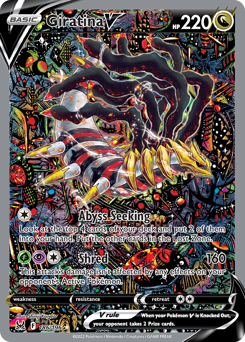
1 Giratina V Alt Art (Lost Origin 186)
Investment angle
~$650-850 raw · $2,700-3,600 PSA 10
Lost Origin gets less attention than Evolving Skies, which is exactly why it is undervalued. The Giratina V alt art is one of the strongest pieces in the entire Sword & Shield run: full-bleed, atmospheric, instantly recognizable. Lost Origin print numbers were lower than ES, but the card sells for a fraction of Moonbreon. That gap will close. Risk: Lost Origin has multiple alt arts competing for collector money.
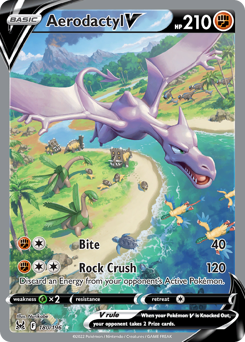
View Live Giratina V Prices →2 Aerodactyl V Alt Art (Lost Origin 180)
Investment angle
~$150-200 raw · $400-550 PSA 10
The pure sleeper of this list. Aerodactyl is not a meme Pokémon, the card has no anime-driven hype, and most people walk past it on listings. But the art is genuinely beautiful (Souichirou Gunjima painted it), it is from the same low-print Lost Origin set as the Giratina, and the PSA pop is tiny because almost nobody bothers to grade it. When alt arts re-rate as a category, the under-followed ones close the gap fastest.
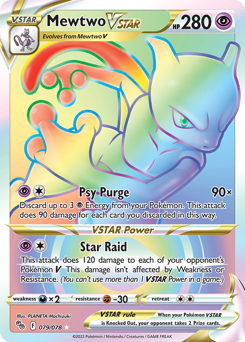
View Live Aerodactyl V Prices →3 Mewtwo VSTAR Rainbow Secret (Pokémon GO)
Investment angle
~$30-50 raw · $150-200 PSA 10
The Pokémon GO crossover set has the perfect setup for a long-term grind: small print run, mainstream-recognizable Pokémon (Mewtwo, Charizard, Ditto), and a finite shelf life since the IP collaboration is over. Rainbow secrets from PGO have been steadily climbing while the broader market wobbled. The Mewtwo specifically is the strongest piece, one of the most iconic Pokémon ever, on a rainbow VSTAR, in a closed-print niche set.
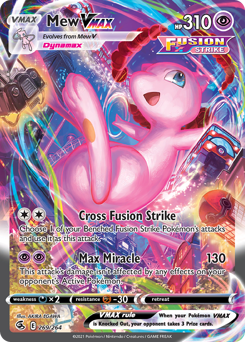
View Live Mewtwo VSTAR Prices →4 Mew VMAX Rainbow Secret (Fusion Strike)
Investment angle
~$60-90 raw · $300-350 PSA 10
Fusion Strike is famous for one thing: Mew VMAX dominated competitive play for two years straight. That meant a lot of the rainbow secret copies got beaten up in tournament play, which removed clean-condition supply from the market. Combine that with Mew being a top-tier mascot Pokémon and you have a card that the data suggests should already be priced at Moonbreon levels. It is not. Yet.
View Live Mew VMAX Prices →5 Iono Special Illustration Rare (Paldea Evolved 269)

Investment angle
~$50-60 raw · $150-200 PSA 10
Trainer SIRs are a category unto themselves. The Iono SIR is the strongest of the early Scarlet & Violet trainer alt arts: popular character, vivid art, finite print before the set rotated out of focus. Trainer cards historically punch above their weight when they break through (see: every original-series trainer that became iconic). The risk here is timing. Iono fans are loud, and a viral moment could push this much higher faster than expected.
View Live Iono Prices →6 Gardevoir ex Special Illustration Rare (Scarlet & Violet base 245)

Investment angle
~$70-90 raw · $200-250 PSA 10
The first Scarlet & Violet base set has been consistently underestimated. This was the launching point of the whole SV era. Supply flowed early, before collectors knew to chase, then dried up as attention moved to newer sets. Gardevoir is one of the most popular non-starter Pokémon in the game, with a huge crossover collector base from the broader franchise. The art on this SIR is exceptional. Quietly compounding.
View Live Gardevoir ex Prices →Reality check: Numbers above are typical ranges as of mid-2026, not promises. Click any card link to see the live current price before you buy. Anything currently selling well above the range listed is no longer undervalued. That is the market correcting in real time.
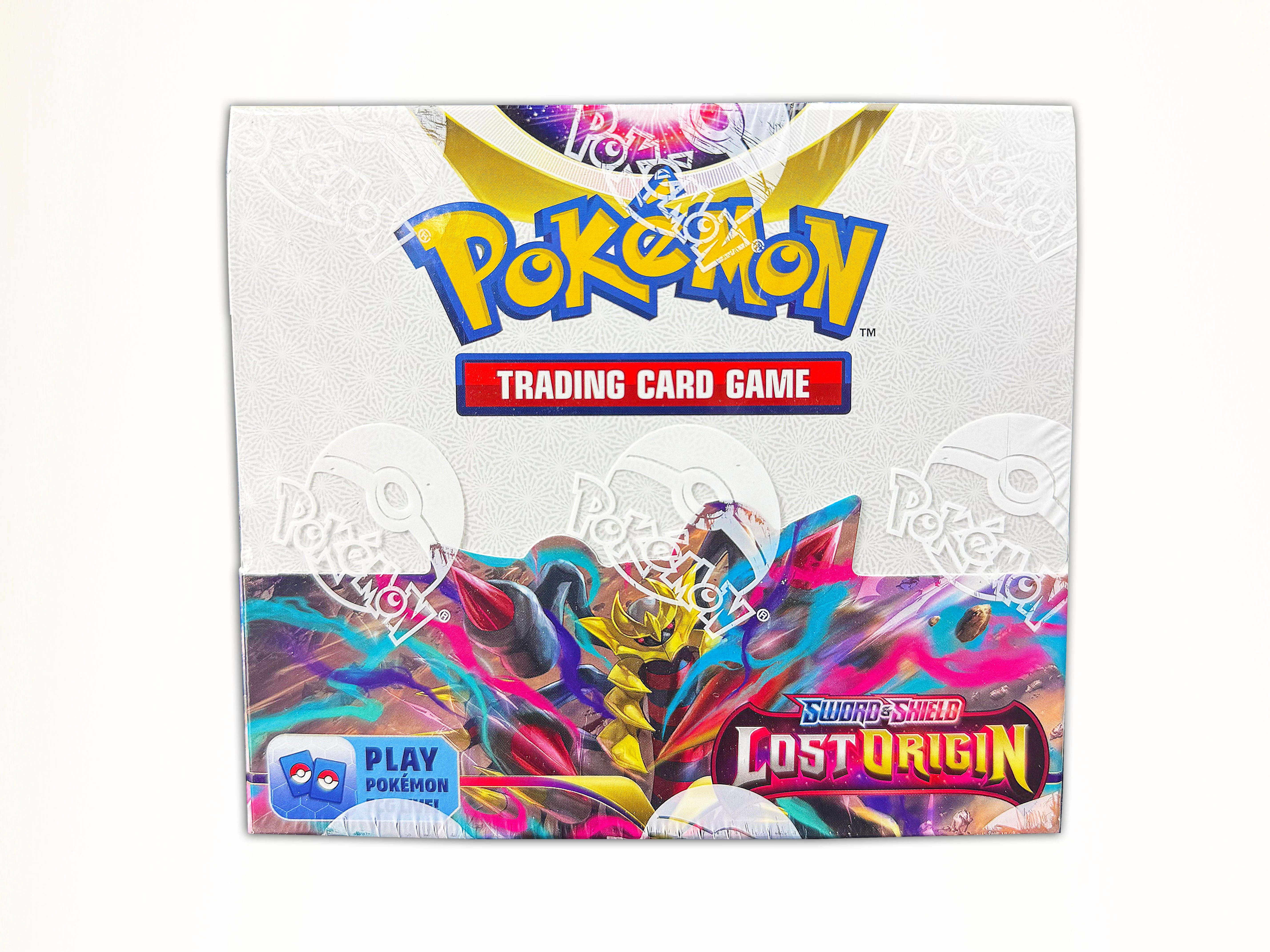
7 Lost Origin Booster Box (Sealed)
Investment angle
~$650-850 sealed BB
If picks 1 and 2 have you bullish on Lost Origin, the booster box is the higher-conviction version of the same trade. Sealed boxes from this set have been below their long-term price floor for months because the modern sealed market got beaten up generally. The set itself is great, the alt arts inside are great, and the supply only goes one direction from here. Boring trade. Probably the best one on this list.
Browse on eBay →8 Brilliant Stars ETB (Sealed)

Investment angle
~$80-130 sealed ETB
Brilliant Stars introduced the V-STAR mechanic and the modern Trainer Gallery format that became a defining feature of Sword & Shield. Sealed ETBs from this set are quietly drying up at retailers, but the secondary market has not fully caught on. This is the kind of pick where in 18 months people will look back and say "obviously," the same way Hidden Fates looked obvious in 2023.
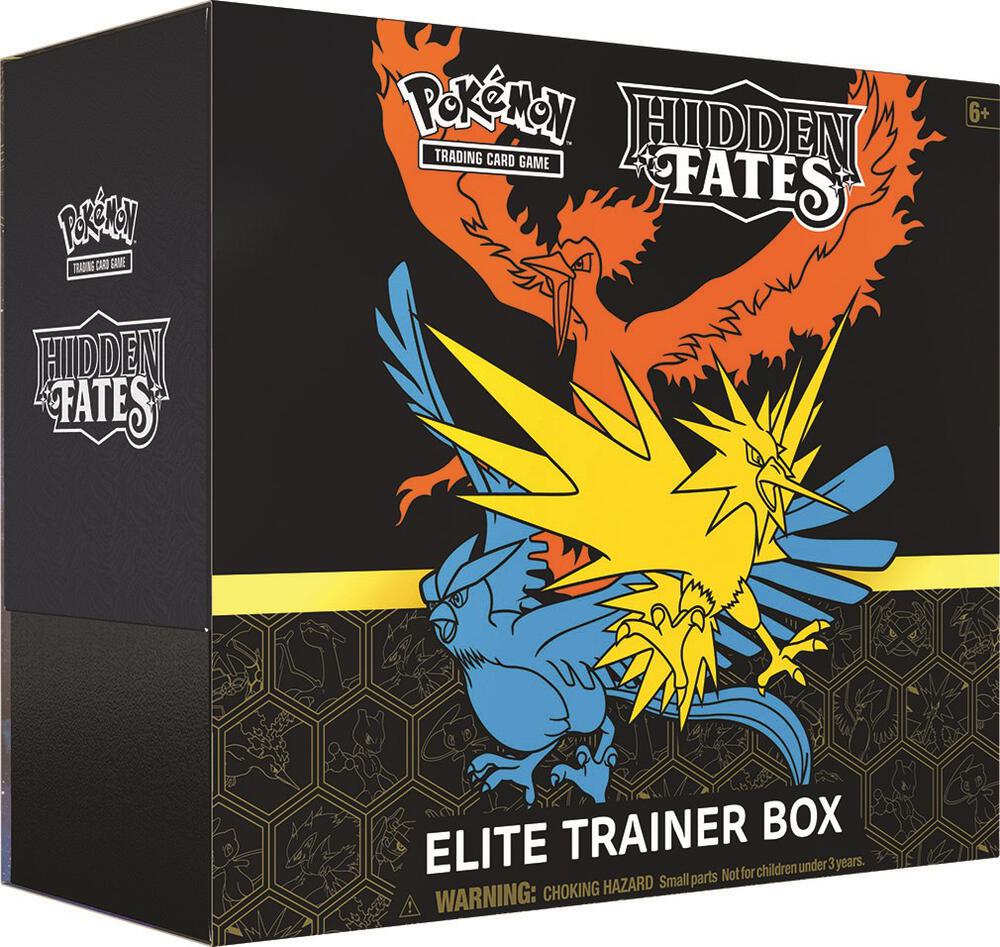
Browse on eBay →9 Hidden Fates ETB (Sealed, Out-of-Print)
Investment angle
~$420-590 sealed ETB
Yes, Hidden Fates already had its run. No, that does not mean it is done. Sealed Hidden Fates ETBs went from $40 retail to $400+ at peak, then corrected to ~$200-300 where they sit now. The set is permanently OOP, supply only decreases, and Hidden Fates contains the Charizard GX rainbow secret which remains one of the most-collected modern Charizards. This is a "buy the dip" pick in a sealed product the market already proved it wants.
Browse on eBay →10 Shining Magikarp PSA 9 (Neo Revelation)
Investment angle
~$1,000-1,400 PSA 9
The "Shining" cards from Neo era (Magikarp, Gyarados, Charizard) are the prototypes of what alt arts and rainbow secrets later became: rare, foil-experimented, premium-tier cards in their respective sets. While the Shining Charizard gets all the attention, the Shining Magikarp is genuinely scarce and historically important. Vintage cards with this much story for under $500 PSA 9 are increasingly rare. The whole Neo Shining trio gets revisited every year by content creators, and that exposure does the work.
View Live Shining Magikarp Prices →What "Undervalued" Actually Means in Practice
Calling a card undervalued is easy. Defending the call is harder. The picks above all share three traits:
First, the print is over or effectively over. New supply is not coming. That is non-negotiable in this category. A card cannot be undervalued if more copies are about to enter the market.
Second, the demand has a reason that is not "people on Twitter said it would moon." Iconic Pokémon, popular trainer characters, finite-IP crossovers, sets that are quietly drying up at retail. Demand needs a story you can explain in one sentence to someone who does not collect.
Third, the chart is not at all-time highs. This sounds obvious but it is the most-violated rule. If a card already pumped 200% in the last twelve months, it is not undervalued. It might still go higher, but it is not a value play.
What This List Is Not
This is not a list of can't-miss picks. Half the cards above will outperform the others, and at least one or two will probably underperform the broader market. Concentrating on a single name out of a list like this is how people lose money on Pokémon cards. Spreading across several picks is how you give the thesis a chance to play out across an actual portfolio.
It is also not a get-rich-quick list. The historical pattern for cards like these is 18-36 months of slow accumulation followed by a re-rating event (a viral video, a tournament win, a content creator deep-dive, the next set's reveal showing how scarce the prior one was). Two months from now, most of these cards will trade roughly where they trade today. Three years from now, the picture should look very different.
Before buying anything, run the card through PokeTracker to see its current market price, recent CardMarket trend, and how it has moved over the last 30 days. The numbers in this article are typical mid-2026 ranges; the live data on each card page is the only price that matters at the moment you decide to buy.
Frequently Asked Questions
What makes a Pokémon card undervalued?
An undervalued card is one trading below what its fundamentals suggest it should be worth. The clearest signals: print run is over, PSA pop count is small relative to demand, the Pokémon depicted has broad appeal beyond TCG players, and the price chart shows consolidation rather than a vertical pump. Cards that pumped recently and are at all-time highs are not undervalued, no matter how good they look.
Are alt arts always a good investment?
No. Alt arts have been the strongest-performing category of modern Pokémon cards, but the same hype cycle that pushed prices up can pull them down. The alt arts most likely to hold value long-term feature popular Pokémon, come from sets with confirmed-low print runs, and have art that holds up regardless of fashion. Buying any random alt art because it is an alt art is how people end up holding bags.
Should I buy raw or graded for investment?
For undervalued cards specifically, raw often makes more sense. The thesis is that the market has not yet priced the card correctly. Buying graded means paying a premium that already partially reflects the upside. Raw lets you capture both the price re-rating and the grading upside if the card grades PSA 9 or 10.
Is sealed product safer than singles?
Safer in some ways, riskier in others. Sealed avoids condition risk entirely and benefits from a steady supply decrease as people open product. The downsides are slower price discovery, harder liquidity, and storage concerns over years of holding. Sealed product is best as a portion of a portfolio, not the whole thing.
How long should I hold an undervalued card before selling?
Most successful undervalued plays take 18 to 36 months to re-rate. The classic mistake is selling too early on a 30 percent pop, only to watch the card double again over the next year. Set a price target before you buy, then commit to either hitting it or holding longer. Selling because you are bored is the worst reason.
How do I check the current price of these cards?
Each card linked in this article has a live price page on PokeTracker pulling current CardMarket and eBay data. For sold-listing history specifically, eBay's sold filter is the most reliable signal, since it shows what buyers have actually paid recently.